


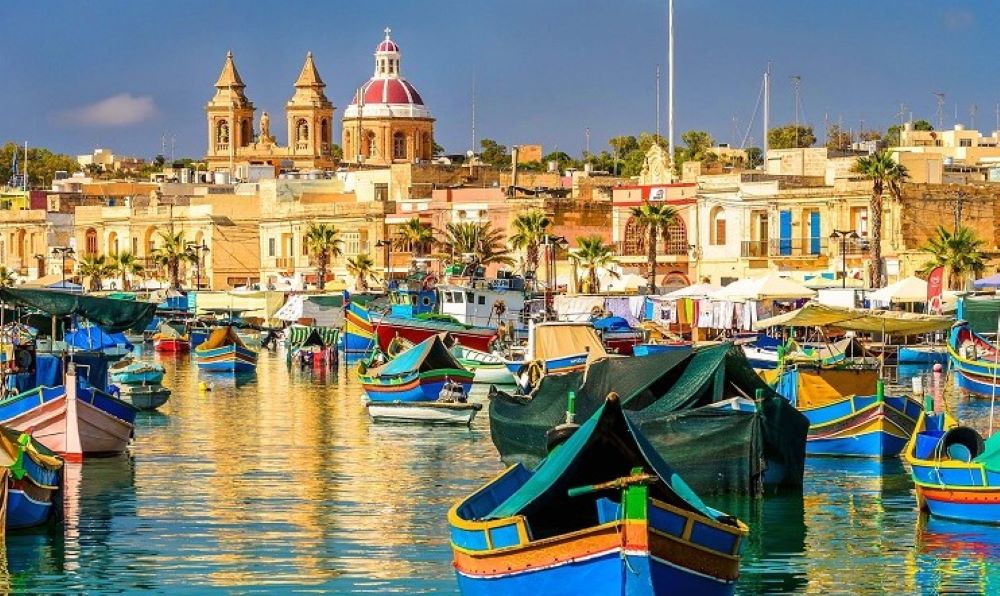



Life in Malta: The Good
1. Weather, Outdoor Lifestyle & Culture
Many people mention Malta’s beautiful climate and outdoor lifestyle as a big plus. It enjoys over 300 days of sunshine a year, making it ideal for beach days, walks, and outdoor cafés — a lifestyle that feels like a constant summer vacation for many expats.
One expat group post summed it up simply:
> “Upside: weather and beaches.”
2. English-Friendly & Socially Welcoming
English is one of the official languages, which makes settling in, finding work, and navigating daily life easier for many foreigners. Expat surveys show that a large majority feel welcome, and Malta’s sizable expat community adds a social network that helps with integration.
One online comment reflected that well-known advantage:
> “I love the sunshine… a sense of community and work-life balance.”
3. Strong Expat & Digital Nomad Appeal
Malta has become especially popular with remote workers and digital nomads. Co-working spaces are common in Sliema, St. Julian’s, and Valletta, and there’s even a Digital Nomad Visa for non-EU remote workers.
4. Cultural Richness
Its long history and Mediterranean culture make Malta feel unique. Valletta is a UNESCO World Heritage City, and festivals are common. Many expats enjoy local traditions, music, and heritage as part of everyday life.
5. Safety & Outdoor Activities
People often praise Malta’s low crime rates, safety, and active lifestyle opportunities — from diving to hiking and cafés by the sea. Living in Malta combines the comfort of a European lifestyle with the relaxed Mediterranean atmosphere. Daily life is marked by pleasant weather, a strong international community, and a slower pace than continental Europe.
Working in Malta: The Experience
1. Opportunity in Specific Sectors
Malta’s economy has been growing in sectors like iGaming, tech, finance, and tourism, and professionals in these fields can find good opportunities. Salaries in tech or highly specialised roles can be decent, and the multilingual environment is a benefit.
However, several commenters note a sharp divide between high-skilled, well-paid jobs and low-wage work:
> “Low wages unless you are in iGaming/tech. High cost of living.”
Another post warned strongly from personal experience:
> “…If you have been offered a job in Malta … salary is not enough.”
2. Commuting & Infrastructure
Traffic and public transport come up frequently. Many people find roads narrow and traffic congestion frustrating, especially during peak hours—sometimes making commutes long (45–90 minutes aren’t unusual).
3. Work-Life Balance
Some people moving from colder or overly busy cities appreciate the slower pace in Malta. One Reddit user said they love that they can work in their field while enjoying Mediterranean climate and community life.
Challenges Many People Mention
1. Cost of Living vs Salaries
A recurring theme in discussions is rising rent and living costs, with salaries not always matching up outside specialised sectors. While cheaper than major capitals, many expats still feel the squeeze—especially in popular areas like Sliema or Valletta.
2. Space & Density
Malta is one of the most densely populated countries in the world, and some expats find it *compact and crowded*, particularly in city centres.
3. Public Services & Bureaucracy
Getting bureaucratic tasks done or navigating government processes can be time-consuming and sometimes frustrating, with several expats mentioning administrative hurdles.
4. Mixed Reviews on Quality of Life Rankings
Not all surveys are glowing: one large expat survey placed Malta *toward the lower end> of quality-of-life rankings, especially for infrastructure and transport.
5. Varied Personal Experiences
Online comments show that individual experiences vary widely. Some people love the vibe and want to stay long-term, while others find it noisy or not suitable for certain lifestyles—such as those who struggle with sensory overload or need quieter environments.
A Personal Touch
Beyond quotes from social media, there are personal stories from expats:
> Grazia, a digital entrepreneur, said moving to Malta felt like finding paradise at first, but it required adaptability and effort to grow personally and professionally.
> Maria and Stefano, an Italian couple, talk about how Malta helped them learn new skills and build confidence, even if they later considered moving again for a *higher quality of life elsewhere*.
Who Malta Is Best For
Malta can be a wonderful place to live and work, especially if you value:
- Outdoor Mediterranean lifestyle
- Sunny weather year-round
- English-friendly environment
- A tight-knit international and expat community
- Work in tech, gaming, finance, or remote fields
But it may be less ideal if you’re looking for:
- High salaries across all sectors
- Spacious living and strong public transport
- Quiet, low-density living
- Minimal bureaucracy
Malta isn’t perfect — but for many, its unique blend of sun, sea, culture, and community more than makes up for its flaws. Have you ever had the chance to visit or you are planning to relocate to Malta? Here are some most asked questions about Malta.
Facts
What is Malta best known for?
Malta is best known for its rich history, stunning architecture, and beautiful Mediterranean beaches. As a melting pot of cultures, it offers visitors a unique blend of ancient ruins, medieval cities, and crystal-clear waters.
Why is Malta so popular?
Malta boasts more than 300 days of sunshine annually and its climate is a major foundation of its fame as one of the best beach destinations in Europe. With the sun seemingly always shining, one of the most obvious answers to what is Malta known for is its tempting shoreline and transparent waters.
Is Malta safe?
Malta is considered a safe destination for tourists. The crime rate is relatively low, and violent crime is rare. In generally a very safe place to visit, but like anywhere with visitors, bag-snatching, pickpocketing and other petty crime can occur particularly in nightclubs, on the beach and at markets and transport hubs.
Business & Economy
Which business is good in Malta?
Malta has a diverse economy, making it an attractive place for different types of businesses. Some of the most profitable and growing industries in Malta include:
- iGaming & Online Betting – Malta is a leading hub for online gaming companies due to its well-regulated market and favorable tax policies.
- Financial Services & Fintech – Many international banks, insurance firms, and investment companies operate in Malta.
- Tourism & Hospitality – With millions of tourists visiting Malta each year, businesses such as hotels, restaurants, and travel agencies thrive.
- Real Estate & Construction – The demand for housing and commercial properties remains high, making real estate development a strong business option.
- Technology & Startups – The Maltese government offers incentives for tech entrepreneurs, particularly in blockchain, AI, and software development.
- Import & Export Trade – Given Malta’s strategic position in the Mediterranean, logistics and international trade businesses can be highly successful.
Is it easy to start a business in Malta?
Yes, Malta provides a business-friendly environment with simple registration procedures, but it depends on the type of business. The main steps include:
1. Company Registration – A business can be set up within a few days through the Malta Business Registry.
2. Licensing & Permits – Some industries, such as financial services and gaming, require specific licenses.
3. Tax & Social Security – Business owners must register for VAT, tax, and national insurance contributions.
4. Banking & Payments – Opening a business bank account can sometimes be challenging due to strict compliance regulations.
5. Workforce – Hiring employees is straightforward, but finding skilled labor in certain fields (such as IT) can be competitive.
Is Malta a good place to do business?
Yes, Malta is considered a great business destination because of:
- EU Membership – Access to the European single market.
- Attractive Tax System – Companies benefit from tax refunds, reducing the effective corporate tax rate to around 5%.
- Strategic Location – Malta is ideally situated between Europe, North Africa, and the Middle East.
- English-Speaking Workforce – English is one of Malta’s official languages, making communication easy.
However, challenges include high office rental costs, bureaucracy, and competition in certain industries.
Cost of Living & Salaries
How much money do you need to live comfortably in Malta?
The amount depends on lifestyle choices, but on average:
- A single person needs €2,000–€2,500 per month for a comfortable life.
- A family of four typically needs €3,500–€5,000 per month to cover housing, food, education, and entertainment.
- Expensive areas like Sliema, St. Julian’s, and Valletta require a higher budget, whereas Gozo and southern Malta are more affordable.
What is a low salary in Malta?
The minimum wage in Malta (as of recent updates) is around €835 per month for full-time work.
- Salaries under €1,200 per month are generally considered low, making it difficult to afford rent in high-demand areas.
- The average salary in Malta is between €1,300–€1,600 per month, depending on the industry and experience.
Why is Malta so expensive?
Malta’s cost of living is relatively high due to:
- Import Dependency – Most goods, including food and fuel, are imported.
- High Demand for Property – The real estate market has seen rapid price increases.
- Tourism & Expats – The influx of international workers and visitors has driven up prices.
- Limited Public Transport Options – Many people rely on cars, which increases fuel and vehicle-related expenses.
Where is the cheapest place to live in Malta?
Some of the more affordable towns in Malta include:
- Żabbar – Offers lower rental prices and is close to the Three Cities.
- Qormi – A residential area with more reasonable housing costs.
- Birżebbuġa – A coastal town with relatively lower living expenses.
- Gozo – Generally cheaper than Malta, with lower rent and daily expenses.
Which job has the highest demand in Malta?
The most in-demand jobs in Malta include:
- IT & Software Development (especially AI, blockchain, and cybersecurity)
- Finance & Accounting/ (auditors, accountants, tax consultants)
- Healthcare (nurses, caregivers, medical specialists)
- iGaming & Customer Support (multilingual support agents, compliance officers)
- Construction & Engineering (architects, civil engineers, project managers)
What is a very good salary in Malta?
- A salary of €3,500+ per month is considered very good for a comfortable lifestyle.
- High-level executives and specialists earning €5,000+ per month enjoy a luxury lifestyle.
Taxes, Social Security & Employment Benefits
How many days of leave do employees get in Malta?
Employees in Malta are entitled to 26 days of paid annual leave, plus public holidays. Additional leave may be provided based on industry agreements or contracts.
How much is NI (National Insurance) in Malta?
National Insurance (NI) contributions:
- Employees pay around 10% of gross salary.
- Employers also contribute an additional percentage.
- Self-employed individuals pay between €30–€90 per week, depending on earnings.
How much tax do you pay in Malta?
Malta has a progressive tax system based on income brackets:
- 0% tax for earnings up to €9,100.
- 15%–25% tax for mid-range salaries.
- 35% tax for earnings above €60,000.
Non-residents and companies may qualify for specific tax incentives.
What is COLA in Malta?
COLA (Cost of Living Allowance) is an annual wage increase given to employees to adjust for inflation. The government announces the COLA adjustment each year.
Housing & Living Conditions
How much is monthly rent in Malta?
Rental costs depend on the location and type of property:
- 1-bedroom apartment in Sliema/St. Julian’s – €1,000–€1,500/month.
- 1-bedroom apartment in suburban areas – €700–€1,000/month.
- 3-bedroom apartment in a prime area – €1,800–€2,500/month.
- Apartments in Gozo or rural areas – €500–€900/month.
Is Malta a rich or poor country?
Malta is considered a high-income country with a strong economy. It has low unemployment, a growing GDP, and a high quality of life. However, some residents struggle with rising living costs and income inequality.
Is Gozo cheaper than Malta?
Yes, Gozo is generally cheaper in terms of rent, property prices, and day-to-day expenses. However, job opportunities are more limited, and commuting to Malta can be a challenge for some professionals.