 |
IMEX Malta - It's a personal service. The Gateway to Europe. |
 | | 
|
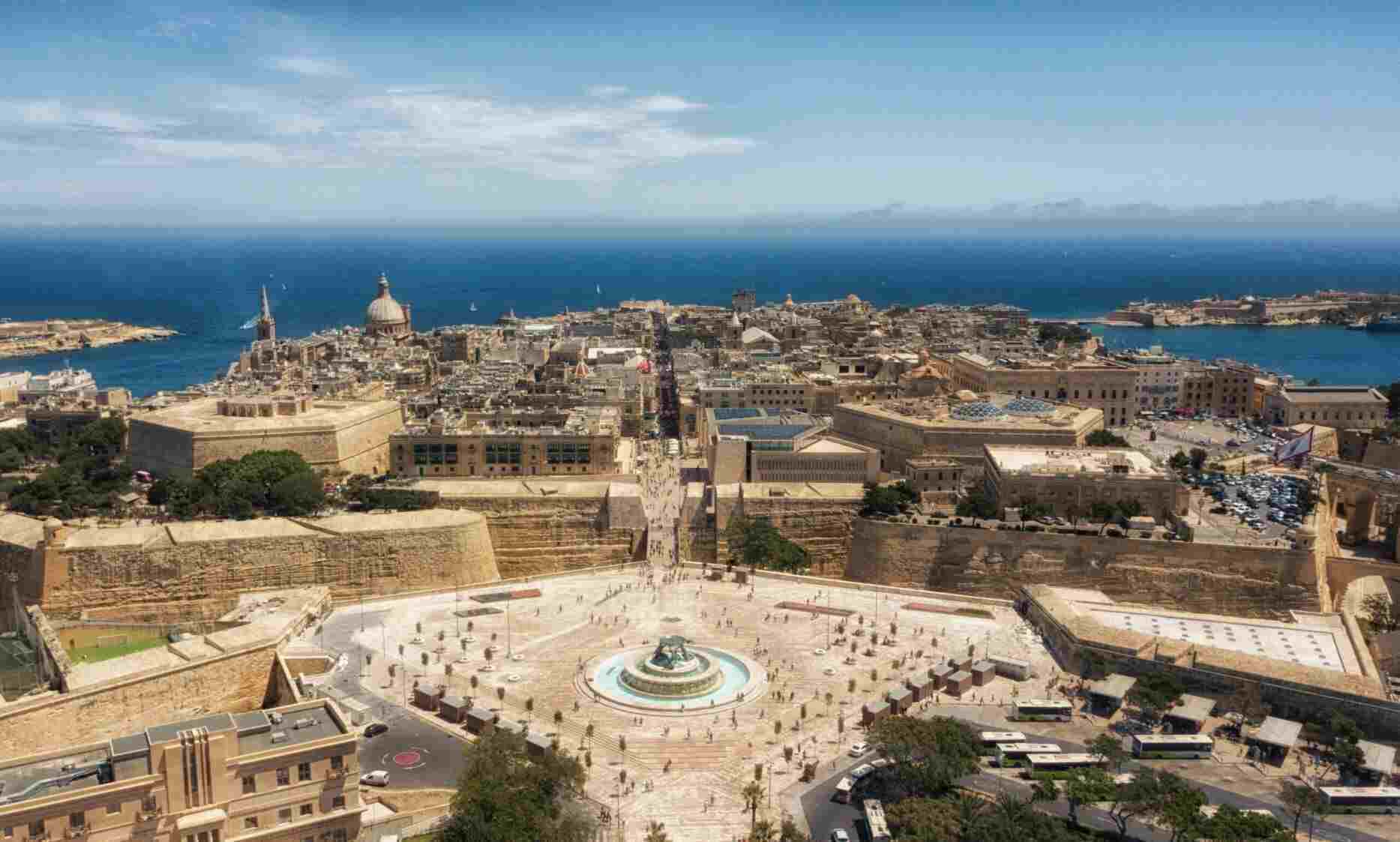
How to Register as a Self-Employed Sole Trader in MaltaJanuary 27 2026 08:11:52 by PCLMedia Registering as a self-employed sole trader in Malta is one of the simplest ways to start a business, whether you’re a freelancer, consultant, tradesperson or digital professional. Malta offers a straightforward registration process, minimal setup costs and flexible tax options, making it an attractive jurisdiction for solo entrepreneurs. What Is a Sole Trader in Malta?A sole trader (self-employed person) in Malta is an individual who operates a business in their own name or under a registered trade name. Unlike a limited company, the business and the individual are legally the same. Key characteristics: - No separate legal entity - No minimum capital requirement - Full control over business decisions - Personal liability for business debts This structure is ideal for small businesses and professionals looking for a low-cost, low-administration setup. Who Can Register as Self-Employed in Malta?You can register as a sole trader in Malta if you are: - A Maltese citizen - An EU/EEA or Swiss national - A non-EU national with a valid residence permit that allows self-employment Non-EU nationals must ensure they have the appropriate immigration and work authorisation before starting the registration process. How to Register as a Sole Trader in Malta1. Prepare the Required Information Before starting your registration, you will need: - Valid ID card or residence permit - Proof of address in Malta - e-ID credentials (for online submission) - A clear description of your business activity 2. Register Online via the Business Startup Form Malta offers a one-stop registration process through the official government portal servizz.gov.mt. By completing the - Business Startup eForm, you can register with multiple authorities at once. This single application: - Registers you as self-employed with Jobsplus - Issues a tax number (if you do not already have one) - Registers you with the VAT Department (if applicable) - Notifies the National Statistics Office Most applications are processed within a few working days. 3. VAT Registration in Malta VAT registration depends on your business activity and annual turnover. Sole traders in Malta may register under different VAT articles: - Article 10 – Standard VAT registration (you charge VAT and reclaim expenses) - Article 11 – VAT exemption for small businesses below specific thresholds - Article 12 – Applies mainly to EU acquisitions and cross-border services Choosing the correct VAT status is important, as it affects pricing, cash flow and compliance obligations. Taxes for Self-Employed Sole Traders in MaltaIncome Tax Sole traders pay income tax on net profits, calculated after deducting allowable business expenses. Malta uses progressive personal tax rates, which can reach up to 35% depending on income level. Part-Time Self-Employment If you are self-employed on a part-time basis (for example, alongside employment or studies), you may qualify for a reduced 10% tax rate on self-employment income up to €12,000 per year, subject to conditions. Social Security Contributions Self-employed individuals generally pay Class II social security contributions if annual profits exceed a minimum threshold. Contributions are calculated based on income from the previous year and are payable periodically. Record-Keeping and ComplianceAs a sole trader in Malta, you are legally required to: - Issue proper invoices - Keep records of income and expenses - Retain business documentation for at least nine years - Submit tax returns and VAT returns (if registered) Good bookkeeping from day one helps avoid penalties and simplifies tax filings. Costs of Registering as a Sole Trader in MaltaOne of the main advantages of self-employment in Malta is the low startup cost. Typical costs include: - Sole trader registration - Free with online self-registration - VAT registration - No direct government fee - Income tax - Based on net profits - Social security contributions - Income-based (if applicable) - Accountant or tax advisor - Optional: €300–€1,500+ per year Many sole traders complete the registration process themselves at no cost, using professional support only for accounting or tax planning. Advantages of Registering as a Sole Trader in Malta- Simple and fast registration process - Low startup and ongoing costs - Flexible tax options, including part-time regimes - Ideal for freelancers, consultants and small businesses Registering as a self-employed sole trader in Malta is a practical and efficient way to start a business. With a streamlined online process, minimal setup costs and flexible tax regimes, it remains one of the most accessible business structures in the country. To ensure long-term success, it’s important to choose the correct VAT status, keep accurate records and seek professional advice where necessary. At IMEX Malta we are committed to assist and streamline this process, providing valuable insights and tailored strategies to ensure successful outcome.  
Have your say! Do you have any story to tell about Malta or your experience while staying in Malta? Send us your story and we will publish your opinion or story here. Contact IMEX Malta     
|