 |
IMEX Malta - It's a personal service. The Gateway to Europe. |
 | | 
|
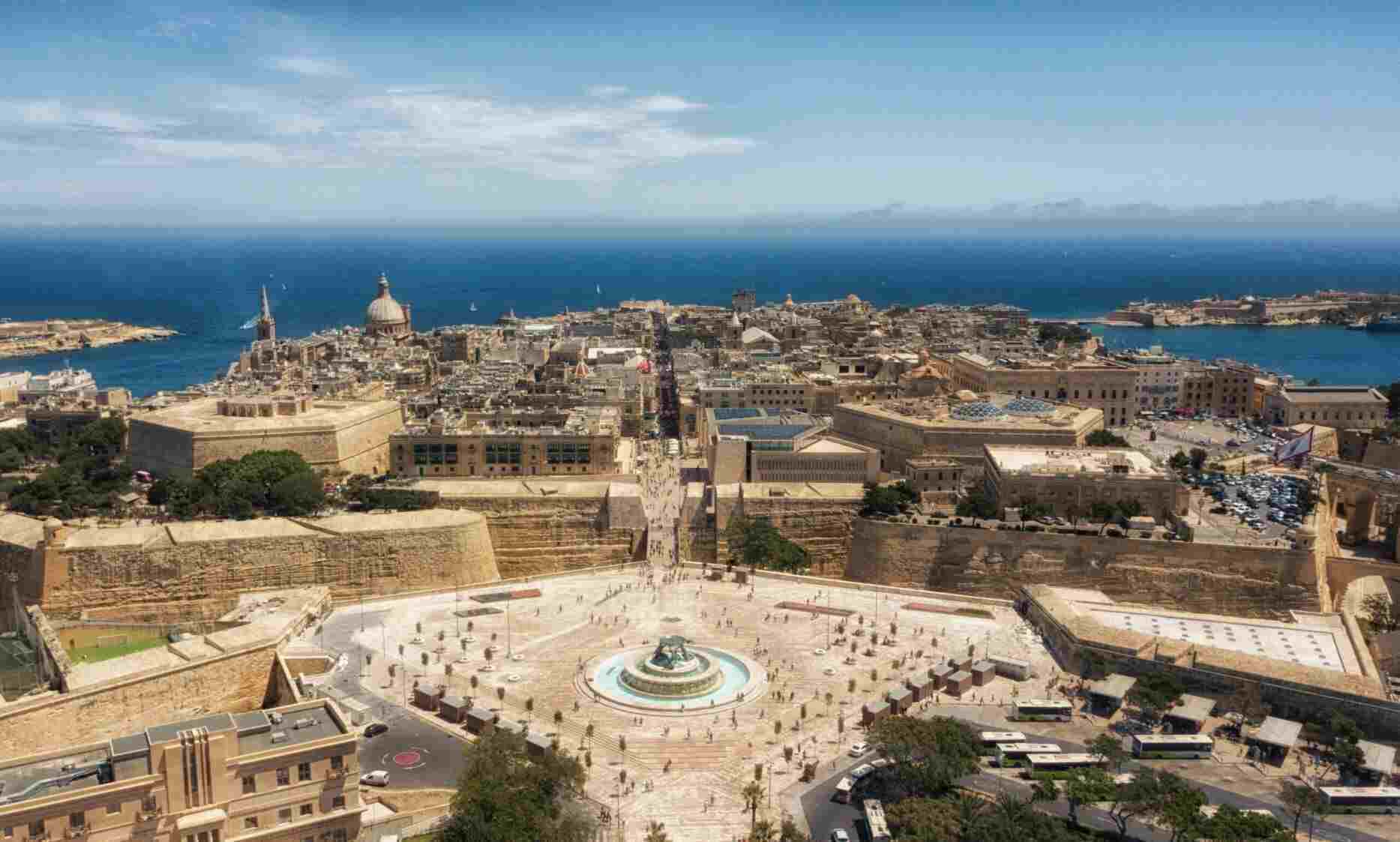
Maltas Blockchain Island Vision Under Threat as EU Pushes to Centralize Crypto OversightApril 01 2026 07:38:19 by PCLMedia Malta’s long-standing ambition to position itself as Europe’s “Blockchain Island” is now being tested by a growing institutional clash within the European Union. At the heart of the dispute lies a proposal to consolidate crypto oversight under a single authority—European Securities and Markets Authority (ESMA) — a move that threatens to fundamentally reshape the regulatory balance that has allowed Malta to thrive as a digital asset hub. Malta’s Stand Against Centralized Crypto Oversight The Malta government has emerged as one of the most vocal opponents of the European Commission’s plan to transfer supervisory authority over major crypto firms to ESMA. For Malta, this is not merely a technical regulatory adjustment—it is a direct challenge to a strategy that has been years in the making. Having invested heavily in building a reputation as a crypto-friendly jurisdiction, Malta is resisting what it sees as an erosion of national authority. The proposal, if adopted by the European Council and Parliament, would strip Malta’s regulator of direct control over major crypto platforms operating under its licenses. Among the firms potentially affected are Crypto.com, Gemini, and Bitpanda — all of which obtained authorization through Malta’s regulatory system and currently operate across the EU using passporting rights. How Malta Became “Blockchain Island” Malta’s position in the crypto space did not happen by chance. In 2018, it became one of the first countries globally to introduce a comprehensive legal framework for digital assets through the Virtual Financial Assets Act. This early regulatory clarity attracted major industry players and gave Malta a first-mover advantage. By the time the EU introduced the Markets in Crypto-Assets Regulation (MiCA), Malta had already accumulated years of experience in licensing and supervising crypto firms. When MiCA came into full effect in December 2024, Malta was among the fastest to issue Crypto Asset Service Provider (CASP) licenses. Companies such as OKX and Crypto.com quickly secured approvals, followed later by Gemini and others. This rapid licensing activity reinforced Malta’s image as an efficient gateway into the European crypto market—but it also drew scrutiny. ESMA’s Concerns and Regulatory Friction In mid-2025, ESMA conducted a peer review of Malta’s licensing procedures. The findings were mixed: while acknowledging Malta’s expertise, the review concluded that certain aspects of its authorization process only “partially met expectations.” Concerns were raised about governance structures, IT systems, and anti-money laundering safeguards. ESMA suggested that some issues should have been resolved before licenses were granted, rather than addressed afterward through supervision. Malta’s regulator, the Malta Financial Services Authority (MFSA), rejected the criticism, insisting that its processes remain robust and that no licenses were at risk. Officials argued that the review actually demonstrated Malta’s capability rather than undermining it. A Divided Europe: Centralization vs. National Control The disagreement reflects a broader divide within the EU. Countries like France, Italy, and Austria have pushed strongly for centralized oversight under ESMA. Their argument is rooted in consistency: if MiCA rules are applied differently across 27 jurisdictions, regulatory arbitrage could undermine the entire framework. France’s regulator, the Autorité des marchés financiers (AMF), has even suggested it may challenge licenses issued by other EU states if standards appear insufficient — an indication of rising tensions. ESMA leadership, including Chair Verena Ross, has emphasized the inefficiency of duplicating supervisory systems across all member states. Centralization, proponents argue, would streamline oversight and enhance the EU’s global competitiveness. Backing this vision is Maria Luis Albuquerque, who confirmed that the European Commission is actively evaluating the proposal. Opposition Bloc: Malta, Luxembourg, and Ireland Not all countries agree. Malta has aligned itself with Luxembourg and Ireland in opposing the shift. These nations argue that centralization could create unnecessary bureaucracy and weaken the agility that has allowed them to attract financial firms. Luxembourg’s regulator has warned that concentrating too much power in ESMA could result in an overly complex and unwieldy system. For smaller states, the issue is also economic. Their financial sectors rely on the ability to offer efficient, locally managed regulatory environments. Losing that autonomy could diminish their competitive edge within the EU. The MiCA Transition and Growing Pressure The timing of this debate is critical. The MiCA framework is still being implemented, with a key deadline approaching on July 1, 2026. By then, all crypto firms operating in the EU must be fully authorized under MiCA or cease operations. As of early 2026, several major exchanges—including Binance, Kraken, Coinbase, and Bitstamp—have secured approvals across different EU jurisdictions. At the same time, competition among regulators and lobbying efforts from major crypto firms are intensifying. Companies are actively trying to influence how MiCA is applied and whether ESMA ultimately gains expanded authority. What’s at Stake for Malta and the EU For Malta, the implications are significant. The country’s role as a primary licensing hub could be diminished if ESMA takes over supervision of major cross-border firms. This would mark a shift from a decentralized regulatory model to a centralized one, fundamentally altering the dynamics of the European crypto market. For crypto companies, the change would mean dealing directly with a Paris-based regulator instead of national authorities like the MFSA—potentially increasing compliance complexity but also ensuring greater uniformity. At a broader level, the outcome of this debate will shape the future of crypto regulation in Europe. It will determine whether the EU prioritizes harmonization and centralized control, or maintains a system that allows member states to compete and innovate within a shared framework. A Defining Moment for Europe’s Crypto Future The clash between Malta and EU institutions is more than a policy disagreement — it is a test of how the European Union balances unity with national autonomy in a rapidly evolving industry. If the centralization proposal moves forward, it could mark the end of Malta’s era as a dominant crypto gateway. If it fails, the EU may continue operating with a fragmented but flexible regulatory system. Either way, the decision will have lasting consequences — not just for Malta, but for the entire European digital asset ecosystem.  
Have your say! Do you have any story to tell about Malta or your experience while staying in Malta? Send us your story and we will publish your opinion or story here. Contact IMEX Malta     
|