 |
IMEX Malta - It's a personal service. The Gateway to Europe. |
 | | 
|
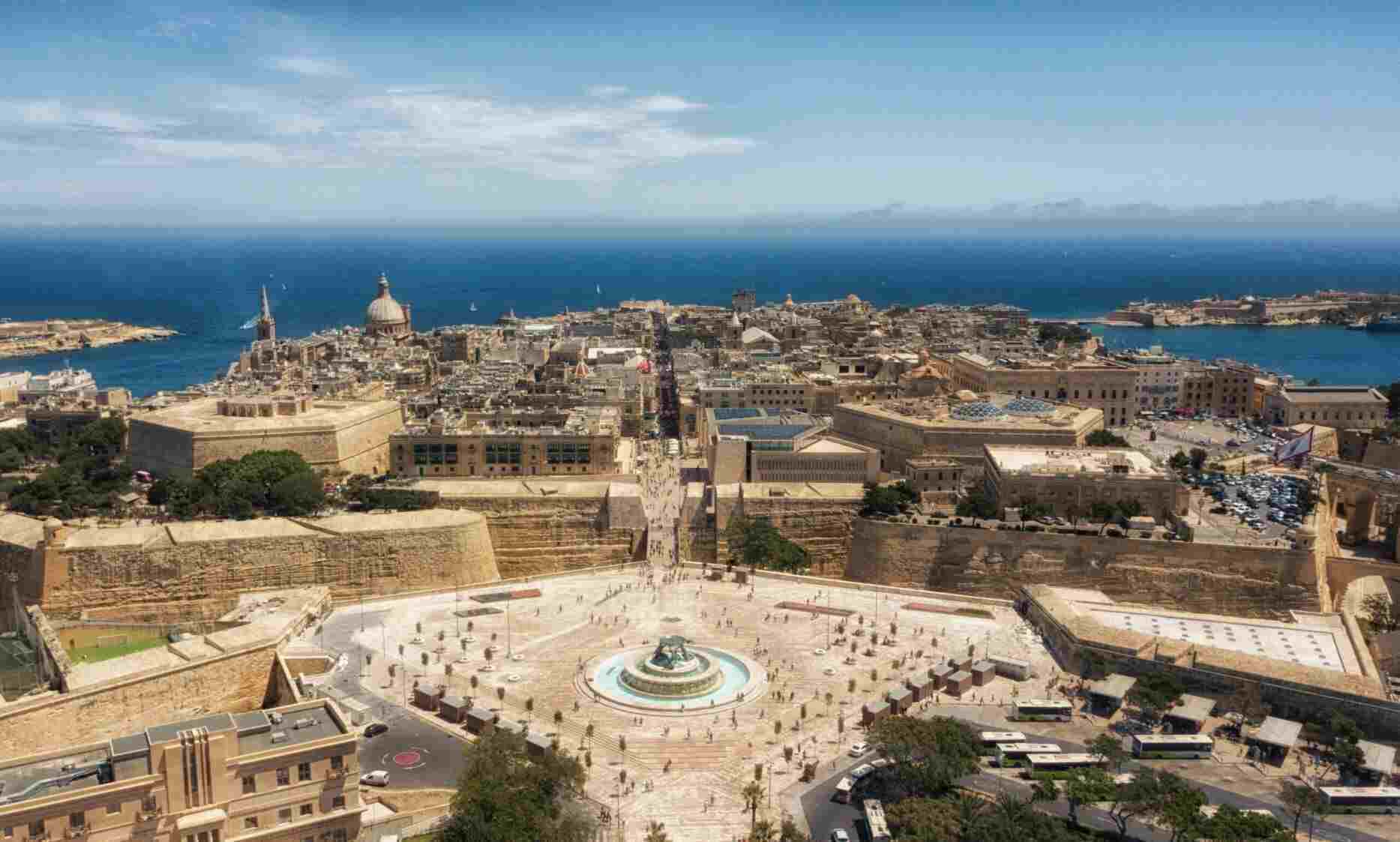
Maltas Growing Population A Business Opportunity That Demands Smarter Strategy   July 12 2026 07:28:34 by PCLMedia Malta's economy continues to evolve as the country's population reaches new highs. According to recent figures, Malta's population grew to an estimated 588,254 residents by the end of 2025, with annual growth of 2.4%, driven primarily by net migration. For businesses operating in Malta, this trend is more than a demographic milestone—it has significant implications for Malta business, Malta employment, Malta salaries, and the future of the Malta workforce. As the country attracts international talent and investment, organisations across every sector must adapt to changing labour market dynamics, increasing consumer demand, and growing competition. Malta Economy Continues to ExpandPopulation growth has become one of the strongest drivers of the Malta economy. A larger population means increased demand for housing, retail, healthcare, hospitality, financial services, education, transport, and digital services. Every additional resident contributes to economic activity, creating new opportunities for businesses while supporting government revenue through employment and taxation. Malta's appeal as an international business hub continues to attract skilled professionals and entrepreneurs, reinforcing growth across industries including financial services, iGaming, technology, construction, tourism and professional services. For companies, a growing economy provides greater confidence to invest, expand operations and launch new products or services. Malta Business Benefits from a Growing Customer BaseOne of the most immediate advantages of population growth is an expanding market. More residents create higher demand for consumer goods and services, allowing Malta business owners to reach a broader customer base than ever before. Businesses are seeing opportunities across sectors such as: - Retail and e-commerce - Food and beverage - Real estate and property management - Healthcare and wellness - Financial and professional services - Technology and digital solutions - Education and training As Malta becomes increasingly multicultural, businesses can also diversify their products and services to meet the needs of a more international population. Companies that understand changing customer demographics are better positioned to gain market share in an increasingly competitive environment. Malta Workforce Growth Helps Address Skills ShortagesThe continued expansion of the Malta workforce is helping employers fill critical skills gaps. International workers have become essential to sectors experiencing sustained growth, including finance, hospitality, healthcare, ICT, aviation and construction. A larger workforce offers several advantages: - Greater access to specialised skills - Improved business scalability - Increased innovation through workforce diversity - Enhanced multilingual capabilities - Stronger international business connections However, workforce growth also requires businesses to invest in effective onboarding, employee engagement and long-term retention strategies. Employers that create inclusive workplace cultures are increasingly likely to attract and retain top talent. Malta Employment Remains CompetitiveAlthough labour supply has increased, Malta employment remains highly competitive. Many industries continue to experience shortages of experienced professionals, particularly in technical and specialist roles. Businesses now compete not only on salary but also on overall employee value. Successful employers increasingly focus on: - Career progression - Professional development - Flexible working arrangements - Employee wellbeing - Modern workplace culture - Performance incentives Recruitment has become a strategic function rather than simply an operational necessity. Companies that build strong employer brands are often better positioned to secure skilled employees in a competitive labour market. Malta Salaries Continue to Face Upward PressureOne of the biggest impacts of workforce competition is the continued pressure on Malta salaries. As businesses compete for qualified professionals, salary expectations continue to rise across many sectors, particularly in finance, technology, legal services, healthcare and specialised engineering. Higher salaries can improve employee attraction and retention but also increase operating costs. For employers, balancing competitive compensation with sustainable profitability is becoming increasingly important. Many organisations are responding by combining salary increases with additional employee benefits, including: - Hybrid working - Private health insurance - Performance bonuses - Training and certification programmes - Flexible working hours - Additional leave benefits Total reward packages are becoming just as important as base salary. Challenges Facing the Malta EconomyWhile population growth supports economic expansion, it also creates challenges that affect businesses across Malta. Infrastructure PressureIncreased traffic congestion, greater demand for public services and pressure on utilities can reduce productivity and increase operating costs. Businesses may need to rethink logistics, remote working policies and customer service delivery to maintain efficiency. Housing CostsThe growing population continues to place pressure on Malta's property market. Higher rental prices can make it more difficult for employers to recruit international talent, particularly for lower and middle-income positions. Some employers are responding by offering relocation support or housing assistance as part of their recruitment packages. Increased CompetitionA stronger Malta economy naturally attracts more businesses and investors.While this creates innovation and investment, it also means greater competition across nearly every industry. Businesses that invest in customer experience, technology, operational efficiency and digital marketing are likely to be better positioned for long-term success. Preparing Malta Business for Future GrowthPopulation growth is expected to continue shaping Malta's economic landscape for years to come. Businesses should focus on long-term strategies that strengthen resilience and competitiveness, including: - Investing in workforce development - Improving employee retention - Leveraging automation and AI - Expanding digital capabilities - Understanding evolving consumer behaviour - Building scalable business operations Companies that treat demographic trends as part of their strategic planning are more likely to remain competitive as the market continues to evolve. ClosingThe latest population figures reinforce the strength of the Malta economy while highlighting the opportunities and challenges facing Malta business. A growing Malta workforce provides access to talent and supports economic expansion, but it also intensifies competition for skilled employees and contributes to rising Malta salaries. Meanwhile, strong Malta employment levels continue to fuel consumer spending and business growth, even as infrastructure and housing remain important areas of concern. For business leaders, investors and employers, understanding these trends is essential. Organisations that adapt to changing workforce dynamics, invest in people and embrace innovation will be best positioned to succeed in Malta's evolving economy. 
Have your say! Do you have any story to tell about Malta or your experience while staying in Malta? Send us your story and we will publish your opinion or story here. Contact IMEX Malta     
|