 |
IMEX Malta - It's a personal service. The Gateway to Europe. |
 | | 
|
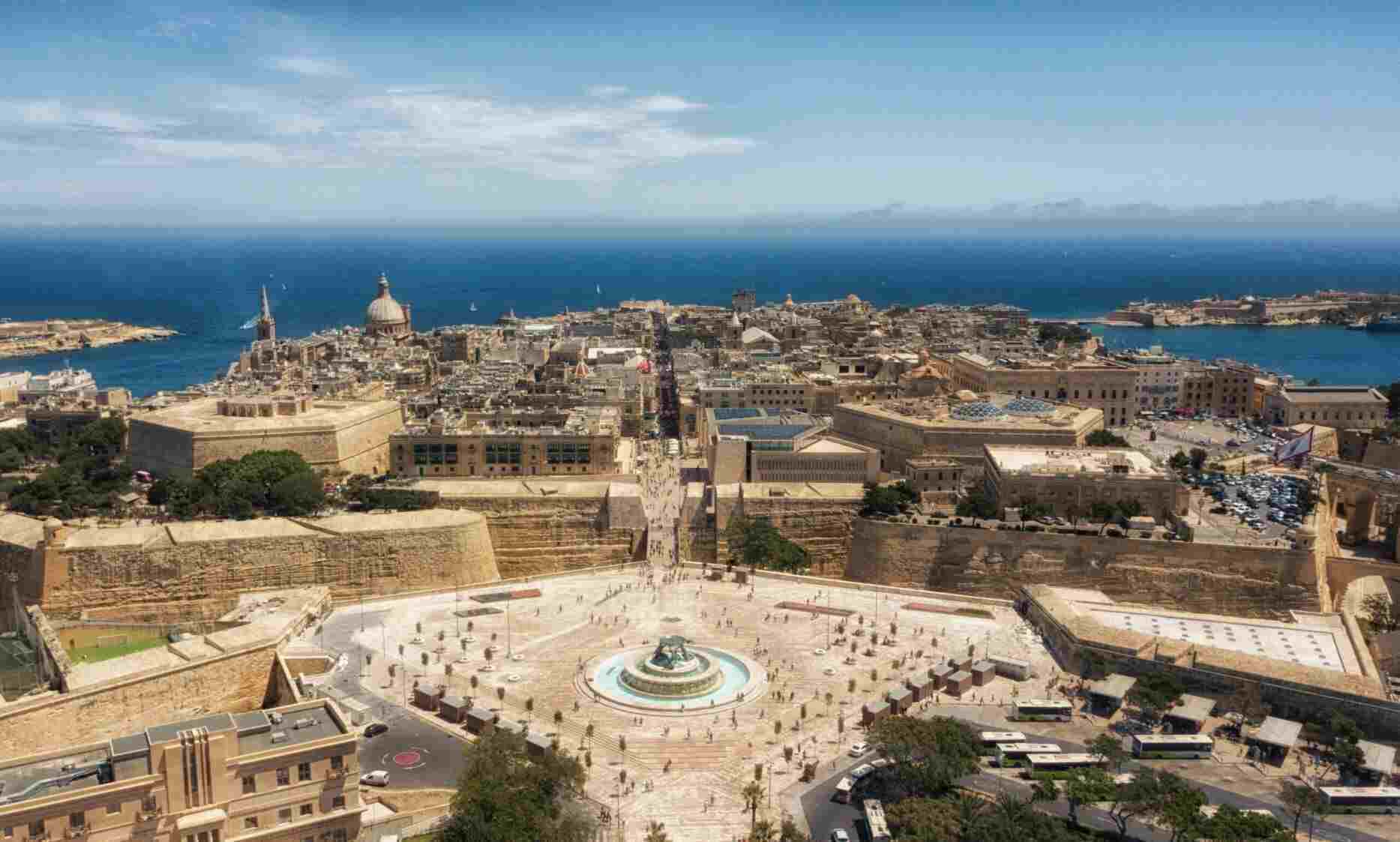
Offshore Company Formation vs Malta: The Strategic Choice in 2026January 02 2026 09:14:35 by PCLMedia 🌍 What “Offshore” Really Means TodayTraditionally, offshore jurisdictions meant low or zero tax, minimal reporting, and confidentiality — places like the British Virgin Islands, Cayman Islands, or Seychelles. However, global enforcement against opacity and shell structures has tightened dramatically: - Automatic information exchange (CRS), beneficial ownership transparency, and enhanced AML rules make old-style offshore setups far harder to maintain without scrutiny. - Many traditional offshore jurisdictions now require economic substance — meaning real operations, staff and offices — to maintain tax benefits. This regulatory squeeze has changed the calculus for many entrepreneurs and international investors. Why Malta Stands Out as a “Modern Offshore” OptionMalta isn’t a classic tax haven — it is a fully compliant European Union jurisdiction with transparent legal and fiscal frameworks. That gives it unique advantages if you’re looking for international structuring with credibility: ✔️ Full EU IntegrationBeing in the EU means Malta companies: - enjoy single market access, - benefit from over 70 double tax treaties, and - operate under harmonised EU regulations. This is a major bonus over many non-EU offshore jurisdictions. 💰 Competitive Effective TaxationA Maltese company pays a 35% corporate tax, but thanks to the full imputation system with shareholder tax refunds, effective tax can be as low as around 5% for trading income. This structure appeals to international traders, holding companies, and digital businesses. 🛡️ Reputation and ComplianceMalta has worked hard to shake off “tax haven” stigma: - The term “offshore company” was formally removed from the Companies Act and replaced with more modern corporate categories. - Regulators now expect real business substance, audited accounts, and active management — aligning with OECD/EU standards. That means Malta structures are credible to banks, investors, and regulators — a big plus over opaque offshore setups. 🔥 What’s Changing in 2025–2026The corporate and tax landscape in Malta is evolving to stay competitive and compliant: 📌 1. Legal Modernisation & Regulatory Updates (2025) - Malta’s Companies Act amendments abolished old “offshore” categories and aligned rules with modern corporate needs. - More robust frameworks for cell companiesand sector-specific rules give flexibility for innovative business structures. - Company filings (including emails and official digital records) are being standardised. 📌 2. Optional New Flat Tax RegimeMalta introduced a 15% “final tax” option as a simpler alternative to the traditional imputation system — appealing to companies seeking clarity and simplicity without navigating refund mechanics. This optional regime may be especially attractive for fintech, holding, and passive income entities. 📌 3. Stronger Oversight of Service ProvidersNew rules expand how Company Service Providers are classified and regulated, improving governance and compliance of those offering director, secretarial, or corporate services. This increases trust in Malta’s corporate ecosystem — crucial for sophisticated international clients. 🤝 Malta vs Traditional Offshore: What to Think About
💡 Who Should Choose Each?Offshore (Traditional): - If your business stays outside major markets - You need the lowest compliance footprint (where still permissible) - You’re not targeting EU clients or banking relationships Malta: - If you want EU credentials and credibility - You plan to tap into EU markets or treaties - You seek a tax-efficient but robust structure - You want a future-proof jurisdiction with evolving regulation 📈 2026 OutlookMalta is repositioning itself as a leading compliant international hub — blending attractive tax planning with EU legitimacy and modern corporate governance. With law reform, updated tax options, and heightened regulatory standards, Malta in 2026 appeals to businesses that want - both efficiency and credibility - in a rapidly tightening global environment. Choosing between classic offshore and Malta depends on your risk tolerance, market targets, and long-term strategy — but for many international enterprises, Malta now offers one of the most compelling blends of tax efficiency, regulatory safety, and global connectivity available today.  
Have your say! Do you have any story to tell about Malta or your experience while staying in Malta? Send us your story and we will publish your opinion or story here. Contact IMEX Malta     
|